
“Halal” gets printed on a lot of signage these days. A sticker in a shop window, a line on a menu, a badge on a delivery app listing. None of it is regulated the same way everywhere you look. There’s currently no single governing body for halal certification in the UK, so a few different recognised halal certifiers operate side by side, each with its own standards and audit process. In practice, the job of checking a claim often lands on you, the customer, at the exact moment you’re just trying to order dinner.
That’s the gap Totalee Halal was built to close. Every restaurant on our app goes through our verification process before a single order can be placed, and it doesn’t stop once they’re onboarded.
Here’s a look at what happens behind the scenes, from application to your doorstep.
Why Verification Matters More Than the Word “Halal”
Halal isn’t only about the meat on the grill. It runs through almost every corner of a kitchen: the oil used for frying, the sauces on the shelf, whether alcohol turns up anywhere in a recipe, and whether prep surfaces are shared with non-halal items.
A restaurant can serve properly slaughtered chicken and still miss the mark if a shared fryer, a splash of wine in a sauce, or a non-halal stock cube sneaks into the process. Groups like the Halal Food Council point out how easily gelatine, rennet, and emulsifiers can slip non-halal ingredients into a finished dish without anyone noticing.
Our standard is simple. If we would not feed it to our own families without question, it does not go on the app.
Step 1: The Application
Before we consider onboarding a restaurant, it applies to become a Totalee Halal partner. We ask for supporting documents, including halal certification where it exists, details on meat and ingredient suppliers, and how the kitchen runs day to day. If a restaurant cannot give us clear, consistent answers about where its meat comes from, it does not move forward.
We also ask about the whole menu, not just the headline dish. Sauces, marinades, stocks, and pre-made bases are common blind spots. A gravy made with a non-halal stock cube or a dessert set with regular gelatine can undo an otherwise halal menu, and we look for these hidden risks early.
Step 2: Checking Certification and Sourcing
Where a restaurant holds certification from a recognised body, we confirm it’s current and actually covers the products being sold, rather than one that’s expired or unrelated to the dishes on the menu.
Because the UK has several credible certifiers rather than one authority, part of our job is knowing which certifications carry real weight and checking them properly instead of taking a framed certificate on the wall at face value.
For restaurants that buy directly from halal butchers rather than holding formal certification, we look at supplier relationships and sourcing history to build a clear picture of where the meat comes from before it reaches the kitchen.
Step 3: Reviewing the Full Menu, Not Just the Meat
Certification covers the meat. It does not automatically cover everything else on the plate. So our review works dish by dish. We look at:
- Whether alcohol shows up anywhere in cooking, from wine reductions to flavourings like vanilla extract
- Whether shared fryers or grills are used for both halal and non-halal items
- Whether gelatine, rennet, or other animal-derived additives come from halal-compliant sources
- Whether cross-contamination is a risk anywhere between prep areas
If a restaurant runs a mixed menu, serving halal meat alongside non-halal or alcohol-based dishes, it doesn’t qualify for Totalee Halal. We only list restaurants that are fully halal, not ones offering a halal option tucked into an otherwise mixed menu.
Step 4: Checking In, Not Just Checking Once
Halal assurance isn’t a badge you earn and keep forever. Suppliers change, kitchens change staff, and standards can slip if nobody’s paying attention. So verification with Totalee Halal doesn’t stop at onboarding. We review our partner restaurants periodically, check certification renewal dates, and follow up when a restaurant changes its supplier or menu.
Your feedback matters here too. If something doesn’t taste or look right, or you raise a concern about an order, we follow it up directly with the restaurant instead of letting it sit. A platform is only as trustworthy as its weakest listing, so we take every report seriously.
Step 5: A Direct Line to Us
Trust isn’t built through a badge on an app. It’s built through being open about how things actually work. If you ever want to know how a specific restaurant on Totalee Halal sources its meat or handles its kitchen, get in touch and we’ll tell you honestly. The whole point of this platform is to take the guesswork out of your next meal, and that only works if we’re straight with you when you ask.
What “Halal Assured” Actually Means on Totalee Halal
When you see a restaurant listed on our app, here’s what sits behind it:
- It has been through our onboarding review, not just a self-declared claim
- No pork or alcohol is served or used in preparation anywhere on site
- Meat sourcing has been checked against supplier documents or recognised certification
- The full menu, not just the headline dishes, has been reviewed for hidden non-halal ingredients
- It stays under ongoing monitoring rather than a single sign-off that never gets revisited
You can browse independent halal directories too, like Zabihah, which has been community-verifying halal restaurants since 1998 and is a great second opinion if you ever want to cross-check a listing yourself.
Order With Confidence
Every restaurant on Totalee Halal has been through this process before it ever reaches your screen. You shouldn’t have to do the vetting yourself every time you’re hungry, so we do it for you.
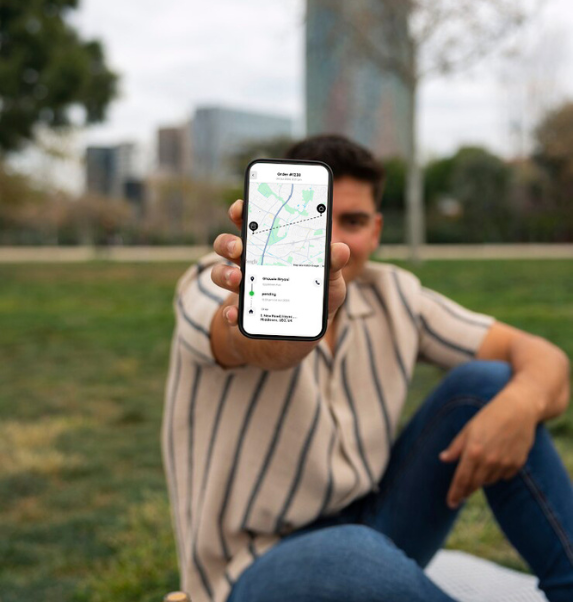
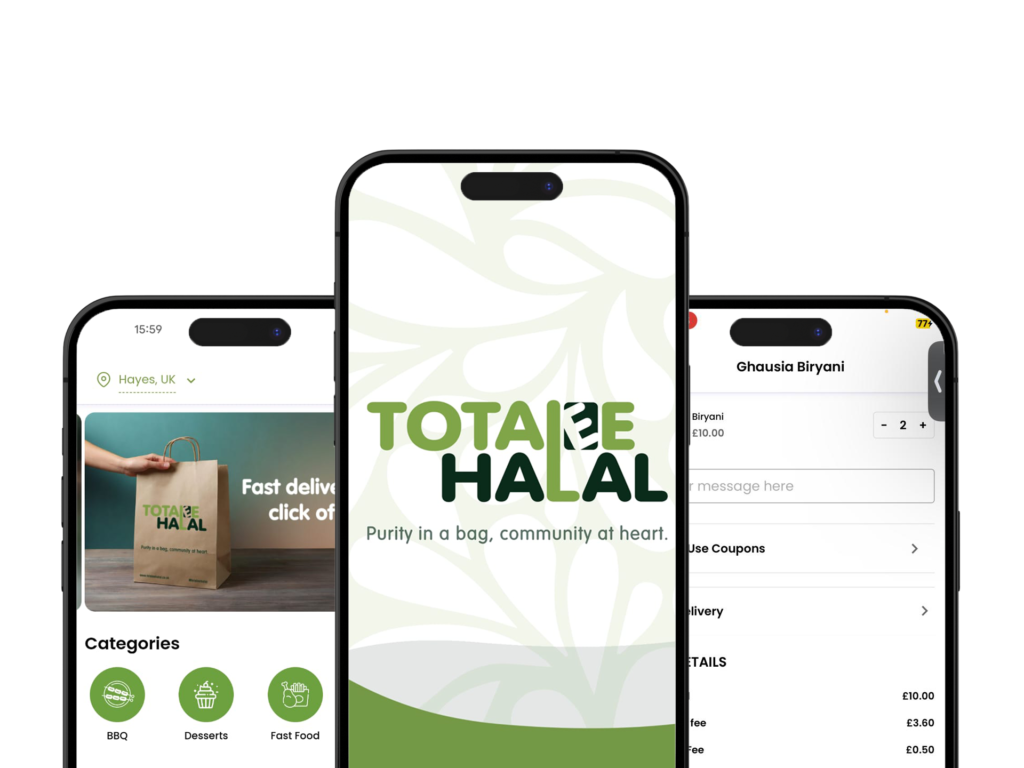
Download the app to browse halal-assured restaurants near you, track your delivery in real time, and order knowing exactly what standard your food has been held to.
Download Totalee Halal on the App Store Get Totalee Halal on Google Play
Purity in a bag. Community at heart.