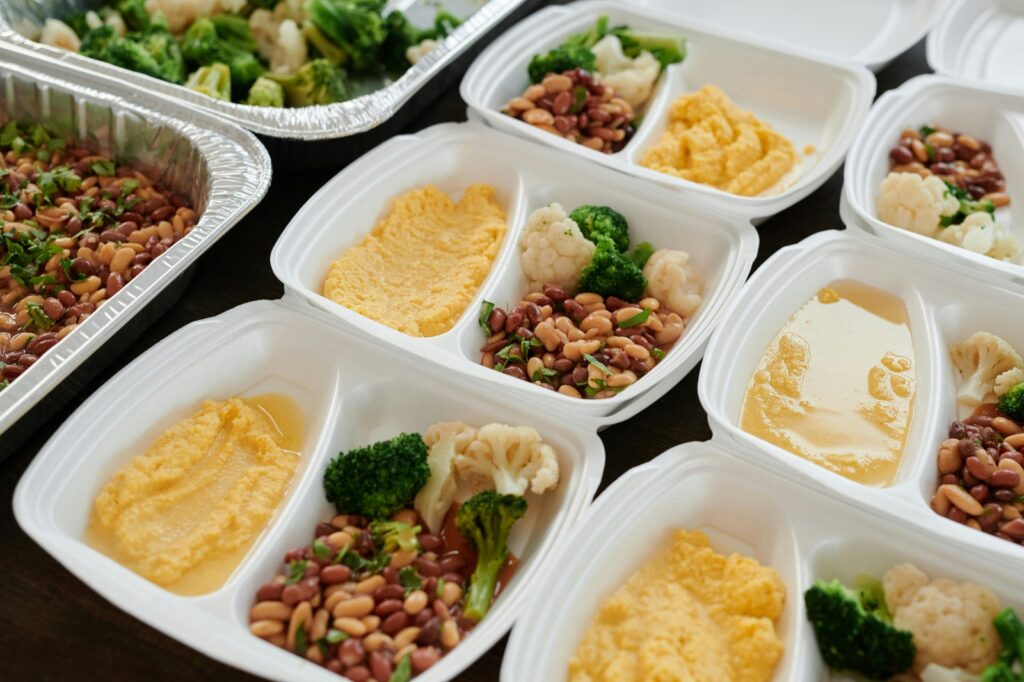
Food safety isn’t just a concern for restaurants-it begins at home. Bacteria such as Salmonella, E. coli, and Listeria thrive in food that’s been stored improperly or left at unsafe temperatures. Beyond safety, the right storage methods help preserve texture, flavor, and nutrients. Likewise, reheating food correctly ensures you get the same taste and satisfaction as when it was freshly cooked.
Ordering food online is one of life’s greatest conveniences. Whether it’s a busy day, a family dinner or you are just in a mood to order food, Food delivery like Totalee Halal saves us so much time and brings you food straight to your doorstep. But what happens when you have food leftover from your order? And you want to reheat that delicious pizza and Nihari for breakfast the next day. Well here are our few tips so you can enjoy your food to the fullest without letting the food go bad.
1- Store Food Promptly
Storing food after eating is the first step. If the food is hot, leave it out till food reaches room temperature then transfer your food to a different container, the boxes that your food comes in from the restaurants are not meant for long term use and should be disposed of immediately. Move food into air tight containers or wrap the leftovers in leak proof plastic bags before refrigerating.
2- Refrigeration times for takeaway
All food items have a different storage time before they go bad. Here are a few food items and how long they will last in the Refrigerator.
- Rice, pasta, noodles: 1–2 days
- Curries, stir-fries, stews: 2–3 days
- Grilled chicken, kebabs, and meat dishes: 3-4 days
- Pizza and fried food: 1-2 days (best eaten sooner for taste)
- Salads with dressing: Best consumed same day
Here is an additional tip i.e. to always label your food with the date you stored them.
3- Freezing Restaurant Leftovers
If you know you won’t be eating your food in a few hours, freezing them would be an option you could consider. Begin by portioning food into freezer safe containers. Avoid freezing fried food since it tends to lose texture fast. Certain foods like pasta sauces, curries can be frozen for a little longer but keep in mind that frozen leftovers can lose moisture and flavour when stored for longer periods of time and we don’t recommend freezing leftover food.
How to Reheat food properly
Reheating food is essential because the heat kills bacteria. The most important part is reheating the food properly, sometimes the heat doesn’t reach the whole food and some parts remain cold so the bacteria doesn’t die. Here are tips to reheat the food in different
Microwave- Microwave is great for rice, pasta, curries, pizza, dessert and a lot of other food items. While heating, always stir your food halfway through. Finish the food in one sitting and do not reheat it.
Oven- If you are using an oven for reheating then keep in mind that a lot of food can’t be reheated in an oven but a few things like pizza, fries or baked goods can be reheated easily. Reheat the oven at 180°C (350°F) for 10–15 minutes to restore crispiness.
Stovetop- Stovetop is probably an easy way to reheat food but not all food can be reheated on the stovetop. It’s best for reheating stir-fries, noodles, curries, and liquid food. To reheat food best add a splash of water or stock to revive texture.
Safety Reminders
Always heat your food thoroughly, food should always reach an internal temperature of 165°F (74°C). Don’t reheat your food multiple times, reheat once because each reheating cycle will increase the chances of bacteria and reduce flavour. Always trust your senses, if the food smells foul, or has a strange aroma and tastes sour then dispose it because there is a high chance the food has gone bad.
Ordering food is about comfort and convenience, but handling leftovers wisely makes the experience safer and more enjoyable. With a few mindful storage and reheating practices, you can reduce waste, enjoy every bite, and keep your meals as tasty as when they arrived at your door.